
Job One
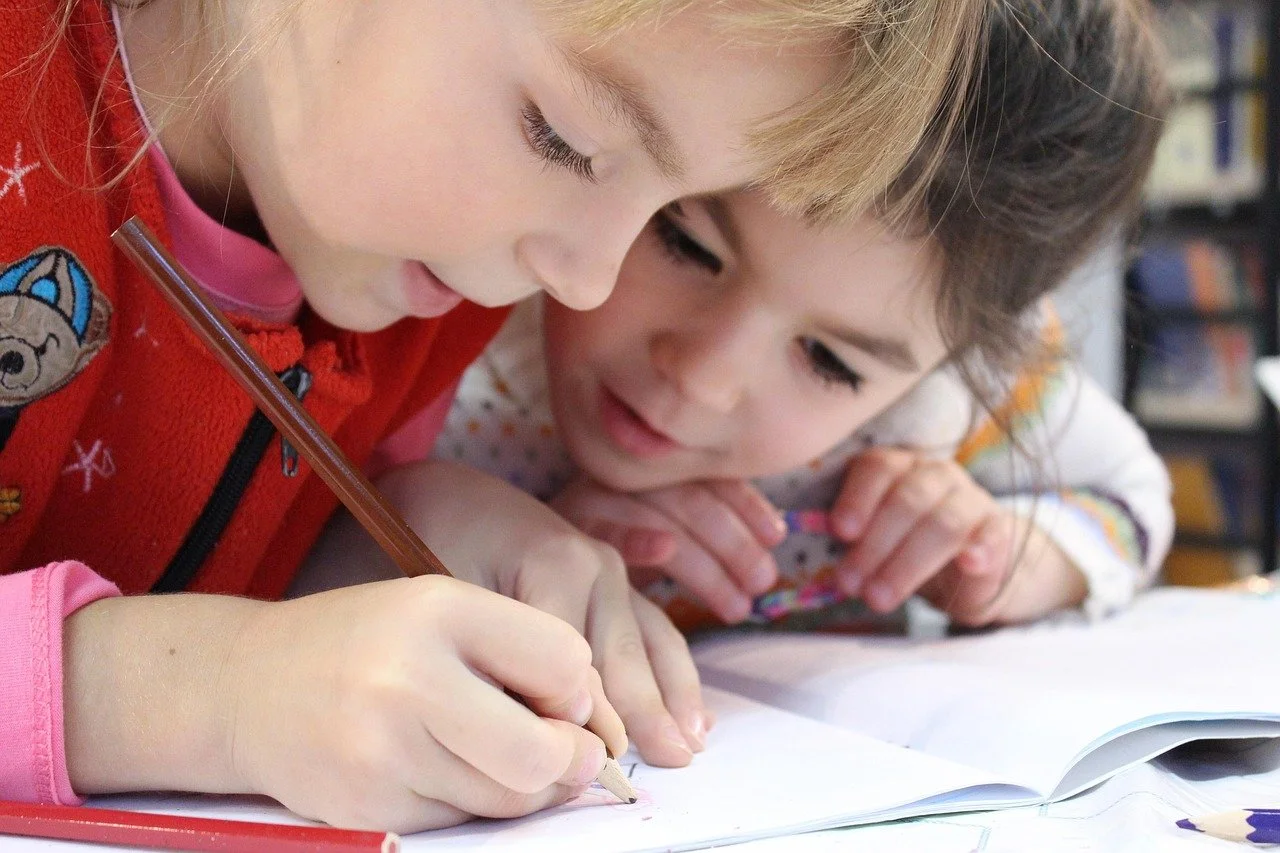
Congratulations! The classroom is beautiful, intentional, and inviting. Record-keeping systems and initial lessons, activities, and materials are prepared. You have created a plan for your own self-care and spiritual development (see https://www.lockhartlearning.com/blog/before-the-beginning). You have prepared yourself and your environment to be exciting and intriguing, inviting children into meaningful work.
Now what?
Once the children arrive, Job One is to create a community in which every child feels known, valued, safe, and connected. This is not just a nice idea. It is foundational to each child’s normalization and to the classroom’s ability to function as a supportive learning environment. While the “care and feeding” of the classroom community will receive attention throughout the year, now is an especially important time to lay the groundwork. Academic assessments, establishing procedures, administrative paperwork, and other logistics beckon. While important in their own right, the vital task of creating community eclipses these in its impact on the class’s identity and functioning this year.
Helping Children Feel Known and Connected
The first step to building community is helping children become known—to themselves, to one another, and to the adults. In established Montessori schools, many children have been together to one degree or another for years. This can lead to the mistaken belief that most of the children know one another and will help others find their home.
Even if this were true, it does not allow children the opportunity to reflect on who they have become and who they wish to be. Each child (and adult!) should be given the space and opportunity to reinvent themselves as they mature. Children return in the fall different from who they were in May. Community building begins by allowing everyone – including ourselves – to become known anew.
Breaking the Ice
Children don’t spontaneously transform into a community simply because they occupy the same room. It takes time, peppered with intentionally designed opportunities to get to know themselves and their peers as unique human beings.
There are lots of quick, low-risk activities for the first days. Here are just a few:
Classmate Scavenger Hunt (Who has the same number of pets as you…)
Would You Rather, where children move to different parts of the room to respond to an adult-provided prompt.
Name games, especially those associating a name with something the child enjoys or did over the summer
These kinds of activities are superficial, but they break the ice. Ultimately, we want to build more meaningful connections by encouraging students to share their interests, passions, and dreams. These bolster the community by revealing undiscovered commonalities and by celebrating individuality. They also develop children’s ability to see life from different perspectives, a precursor to empathy.
At the same time, the adult has their first opportunity to “peek under the hood”. Observing their engagement in icebreakers helps us learn which children are socially confident and which might need help to make a friend. We may learn some ways to better connect with students’ interests, passions, and dreams. This begins to build our relationship with each child as an individual and suggests options for making learning more relevant and engaging. We gain insights into who our students really are, beyond what can be observed in ordinary classroom routines and casual interactions.
Creating Safety Before Sharing
Revealing anything personal requires a willingness to be vulnerable. This can be scary, particularly at the beginning of the year! We do not want to put children on the spot by, for example, using line time to ask children to spontaneously talk about their passions and dreams. Rather, we want to pose a question and allow them time to reflect and develop their thoughts before asking if they would like to share. A well-designed get-acquainted activity will:
give children time to think
provide structure
avoid putting them on the spot
allow multiple ways of expressing themselves
respect their boundaries around personal information; they choose what to share.
First requests for students to share something of themselves should be low-risk, playful opportunities for self-expression. These should be developmentally appropriate, open-ended and creative, with lots of options and no perceived “right answer”.
Making Space for Individuality
Here are just a few different mechanisms for helping children share a bit of themselves:
Wanted Poster (suitable for even the youngest elementary students)
Create a template that looks like a wanted poster out of the Old West. The top half can contain a first-day photo or a self-portrait. The bottom half is space for children to describe themselves. For younger children, it is helpful to have them complete these (or other) sentences:
Wanted For (what makes them a valuable member of the community or a good friend)
Usually seen (most typically where they can be found or what they are doing)
Identifying characteristics: (a description of anything that marks them as an individual)
When the Wanted Poster is complete, the child chooses whether to add their poster to a wall with others’ posters. (Bonus: the wall becomes a resource for children who have a hard time learning names!)
Personal Coat of Arms (a similar activity that can extend well into upper grades)
Create a template with up to 4 sections and prompt children to fill each section with something that has meaning for them. This works best if there are specific themes to choose from, such as family, hobbies, favorite academic area, special talents,
Dream School (suitable for older elementary students)
Children love to expand on their life experiences using their imagination. A favorite prompt is, “Imagine that you are opening a school where you get to teach whatever you want! That might be something academic, athletic, artistic, experimental, or experiential. It could be indoors or outdoors. The sky’s the limit. What would you teach and why?”
Children can write about and/or draw the classroom or the campus. This might be a picture of the front of the school or of the inside of the classroom. Or it might be a map of the campus.
Whenever there is a small period of waiting time, ask a volunteer to share their imaginary school. Inviting peers to ask questions validates the child’s ideas and may help connect children with common interests. Watch pride blossom in the presenter when you ask, "Who would want to go to that cool school?"
All of these activities help children begin to experience themselves as members of a community. Icebreakers help get past first-day jitters. As we draw children into revealing something of themselves and finding connections with others, we build trust and knowledge of one another. This growing sense of belonging and mutual respect is more than a pleasant beginning to the year. It lays the foundation for the sociability that Dr. Montessori described as one of the characteristics of normalization.
Reflection for Guides
How well do you know each child in your class? If you started a card file with one index card for each child, could you write one thing that they love at school, one thing they love outside of class, one friend that they knew from before, and one new friend? Set a goal to have a complete card for every child within the next week.
"...the children come to know one another's characters and to have a reciprocal feeling for each other's worth."
— Maria Montessori, The Absorbent Mind, Chapter 23, "Cohesion in the Social Unit"